

Derek Shendell, an affiliate of the Rutgers Climate and Energy Institute and professor in the Department of Environmental and Occupational Health and Justice at Rutgers School of Public Health, is co-author of a new study published in the Journal of Environmental Health. You can read the full study here1. Many students in New Jersey and across the […]
Research
Rutgers Agrivoltaics Program Wins North American Agrivoltaics “Solar Farm of 2025″ Award

The North American Agrivoltaics Awards (NAAA) program announced on August 5 that Rutgers’ work in agrivoltaics had won its “Solar Farm of 2025” award. For the past several years, a project at Rutgers University, the Rutgers Agrivoltaics Program (RAP), has been focused on “agrivoltaics,” also known as “dual-use” solar, and is showing that a farm’s […]
Rutgers Unveils “Scarlet Sunrise,” a Sweet Bicolor Grape Tomato
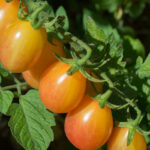
After nearly a decade of painstaking research, a new tomato variety is ready for its moment in the sun. “Scarlet Sunrise,” a bicolor grape tomato developed through a long collaboration between Rutgers researchers Peter Nitzsche and Tom Orton, is a sweet, crack-resistant tomato with a golden hue and a reddish blush. Its name is meant to be evocative […]
Mississippi River Disruptions Could Raise Food and Fertilizer Costs, Study Finds

When drought and extreme weather lower water levels on the Mississippi River, it doesn’t just slow boats—it can ripple through the whole economy. A new study in Risk Analysis shows how climate change–related disruptions to fertilizer shipments along the river can shrink GDP and raise prices, especially in states like Illinois and Minnesota. Fred Roberts, an […]
How Puerto Rican Communities Stepped Up After Hurricane María
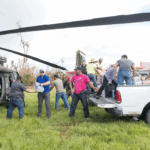
When Hurricane María hit Puerto Rico in 2017, it left behind widespread destruction—no power, destroyed homes, and thousands dead. Many people felt abandoned by the government. But some local groups stepped up to take care of their neighbors when official help never came. In a new study published in Geoforum, the authors explore how two […]
Flying High to Find Drought-Resistant Grass

Zoysiagrass is a popular lawn choice because it looks great and handles heat fairly well—but it still struggles in dry conditions. A new study is using drones and advanced imaging technology to find out which types of zoysiagrass do best when water is scarce. Bingru Huang, Distinguished Professor in the Department of Plant Biology and […]
Building Fair Climate Solutions: What We Can Learn from Washington and Colorado

Todd Vachon, an affiliate of the Rutgers Climate and Energy Institute, is a co-author of a new study that explores how different groups—like labor unions, environmental advocates, and community organizations—can work together to create fair and effective climate policies. The study, published in Environmental Politics, compares two major efforts in Washington State and Colorado to build […]
Rutgers Researchers Chart Next Steps for Developing Lateral Flow COVID-19-Type Tests to Monitor Coral Health

In a recent review in the journal BioEssays, Rutgers researchers described the next steps needed to produce affordable, field-portable diagnostic tests to deliver coral health monitoring tools to local communities. The latest collaborative effort brought together coral restoration practitioners, which included the Coral Restoration Foundation, academic researchers at Rutgers, small business owner, CapitalCorals Research & […]
Scientists Uncover DNA Secrets to Bolster Corn Crop Traits

A team that includes Rutgers University-New Brunswick scientists has unlocked some of the secrets of corn DNA, revealing how specific sections of genetic material control vital traits such as plant architecture and pest resistance. The discovery could enable scientists to use new technologies to improve corn, making it more resilient and productive, the scientists said. […]
New Catalyst Breakthrough Could Make Clean Ammonia Easier to Produce

Producing ammonia—a key ingredient in fertilizer and a promising hydrogen energy carrier—traditionally requires lots of energy and fossil fuels. But a new study offers a more efficient, greener method for making ammonia using only nitrogen from the air and water, with help from electricity. Huixin He, associate professor in the School of Arts and Sciences, […]