

New Jersey is the first state to legislate a task force to fight disease transmission from animals to people The COVID-19 pandemic has highlighted the need for scientists to address how humans, animals and the environment affect each other and to develop protocols to stop diseases from transmitting from animals to humans. Last month, New […]
Can You Garden Mosquitoes Away?
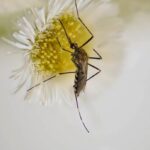
By Nicole E. Wagner, Senior Research Technician; Grayson A. Tung, doctoral student; and Dina M. Fonseca, Director, Rutgers Center for Vector Biology With longer days and warmer temperatures returning, many of us look forward to spending time in our gardens tending to flowers and anticipating the taste of fresh produce. But one thing gardeners do […]
Bat Tick Found for the First Time in New Jersey
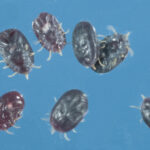
A tick species associated with bats has been reported for the first time in New Jersey and could pose health risks to people, pets and livestock, according to a Rutgers-led study in the Journal of Medical Entomology. This species (Carios kelleyi) is a “soft” tick. Deer ticks, which carry Lyme disease, are an example of “hard” ticks. […]
Where Did the Asian Longhorned Ticks in the U.S. Come From?
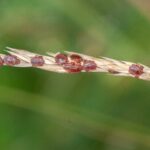
The invasive population of Asian longhorned ticks in the United States likely began with three or more self-cloning females from northeastern Asia, according to a Rutgers-led study. Asian longhorned ticks outside the U.S. can carry debilitating diseases. In the United States and elsewhere, they can threaten livestock and pets. The new study, published in the […]
Dangerous Tick-Borne Bacterium Extremely Rare in New Jersey
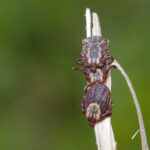
The mystery behind the rise in spotted fever cases continues There’s some good news in New Jersey about a potentially deadly tick-borne bacterium. Rutgers researchers examined about 1,000 ticks in the Garden State and found that none were carrying Rickettsia rickettsii, the bacterium that causes Rocky Mountain spotted fever. But cases of tick-borne spotted fevers have […]
“Killer” Hornet NOT Found in the Northeastern U.S.
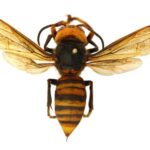
Although media reports have triggered panic over the Asian giant hornet (Vespa mandarinia), there are no reports this pest is present anywhere else in North America besides the Pacific Northwest. Rutgers Cooperative Extension (RCE) personnel in the Department of Agriculture and Natural Resources have received inquiries to identify hornets found by the public. In New […]
Message from Chancellor Brian Strom: Taking Action to Prevent Eastern Equine Encephalitis
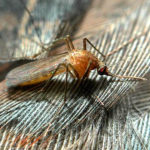
September 23, 2019 Dear Members of the Rutgers Community: The New Jersey Department of Health has been actively working to spur action from New Jerseyans to take precautions to prevent the spread of Eastern Equine Encephalitis Virus (EEEV), a serious and sometimes deadly virus transmitted to people and horses by the bite of […]
Tick, Tick, Tick
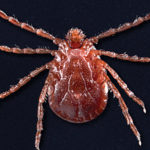
Rutgers researchers publish the first scientific list of tick species confirmed in New Jersey. Researchers with the Rutgers Center for Vector Biology recently published the first scientific list of tick species confirmed in New Jersey, revealing that there are 11 known types, nine of them indigenous to North America and two invasive, including the recently […]
NJAES is a Catalyst for Economic Growth and Innovation in New Jersey

For more than 100 years, investment in New Jersey Agricultural Experiment Station (NJAES) research has sustained innovative work that strengthens economic viability and improves public health. NJAES researchers strive to gain a deeper understanding of our physical world, identify ways in which humans affect our planet and develop multi-dimensional solutions to address real-world problems. NJAES […]
Rutgers Researchers Contribute to Visual Guide to Identify Invasive Self-Cloning Tick
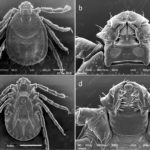
Asian longhorned ticks threaten livestock, but scientists need help telling them apart from two near-identical species Rutgers researchers and other scientists have created a visual guide to help identify and control the Asian longhorned tick, which transmits a fatal human disease in its native countries and threatens livestock in the United States. The pest has […]