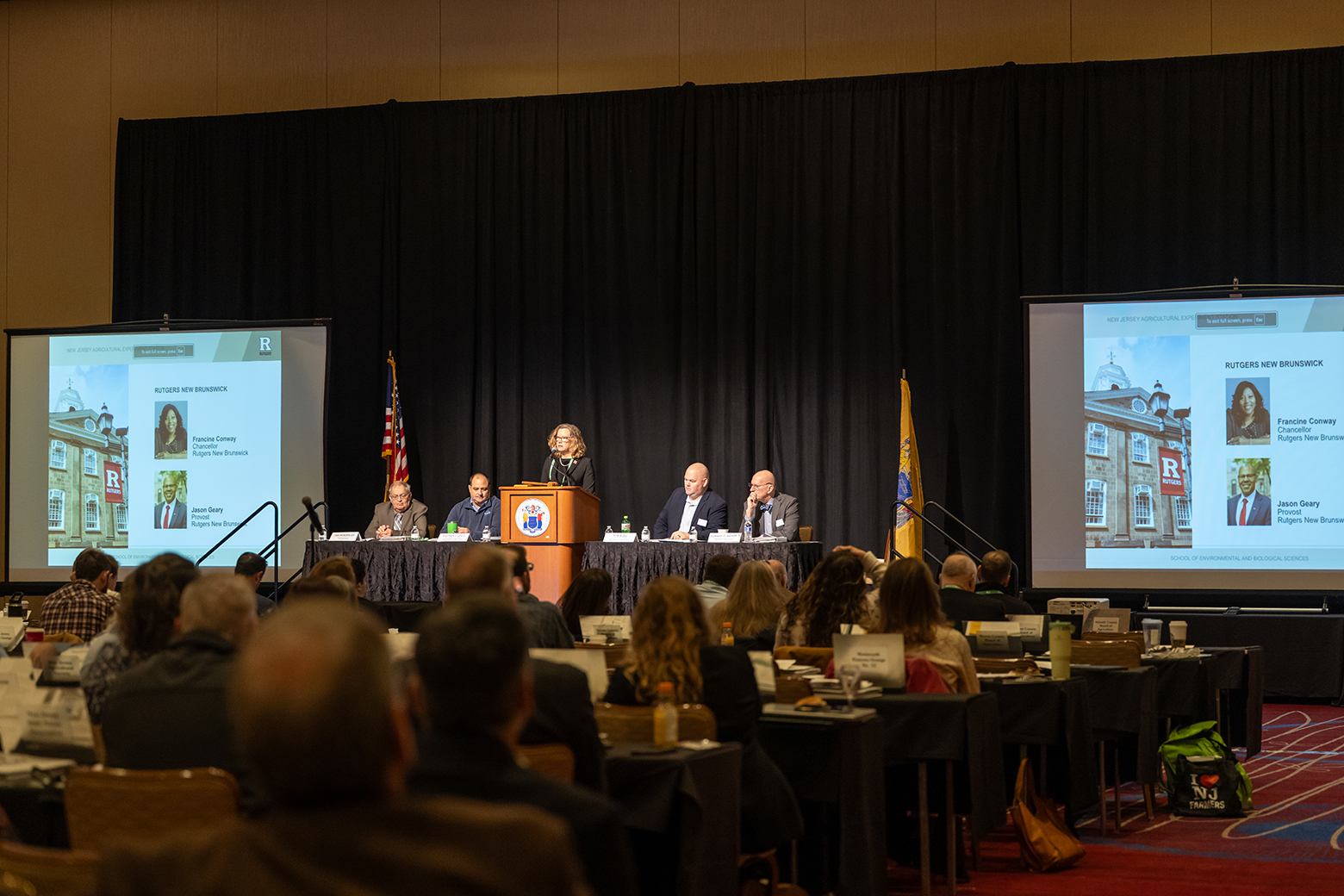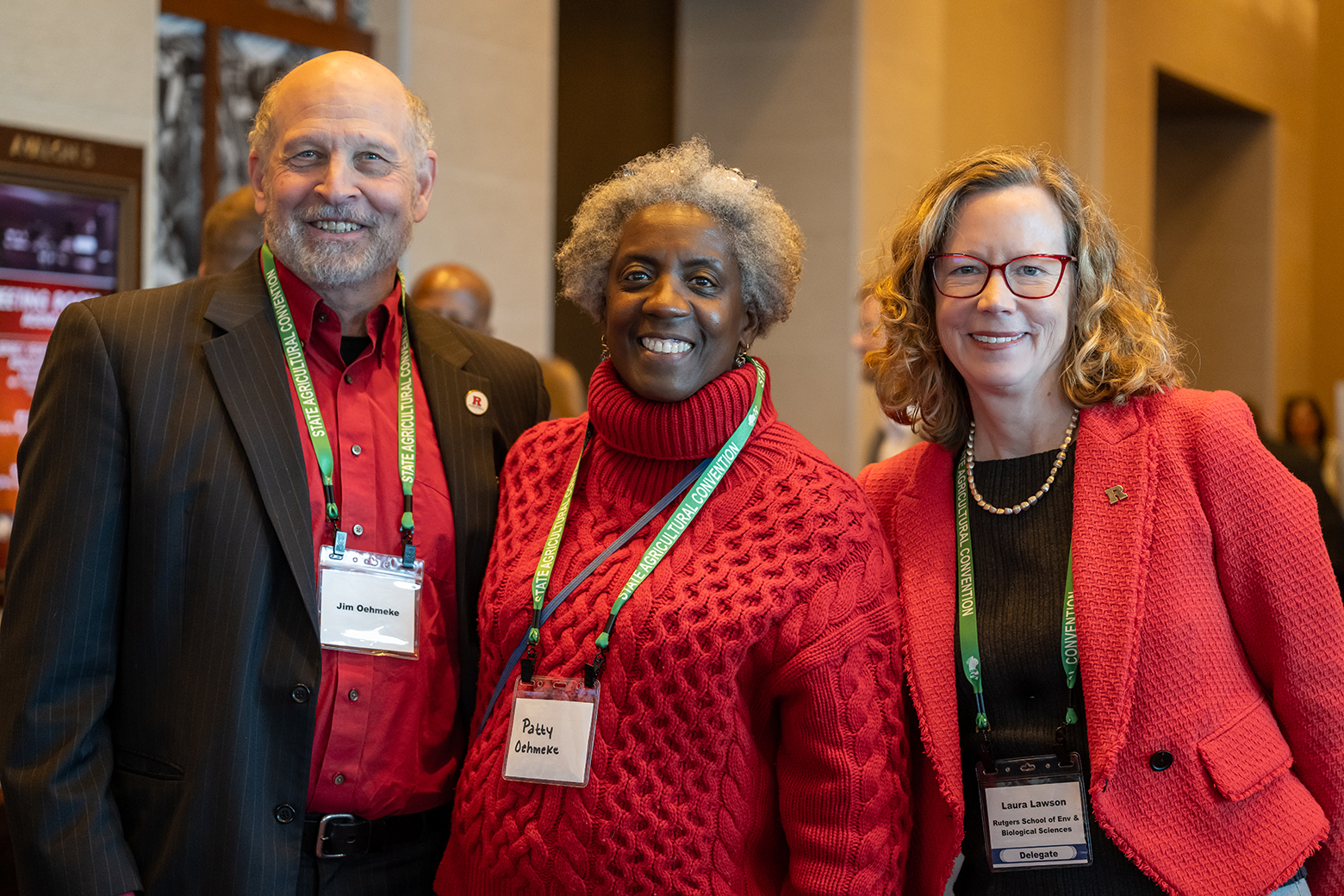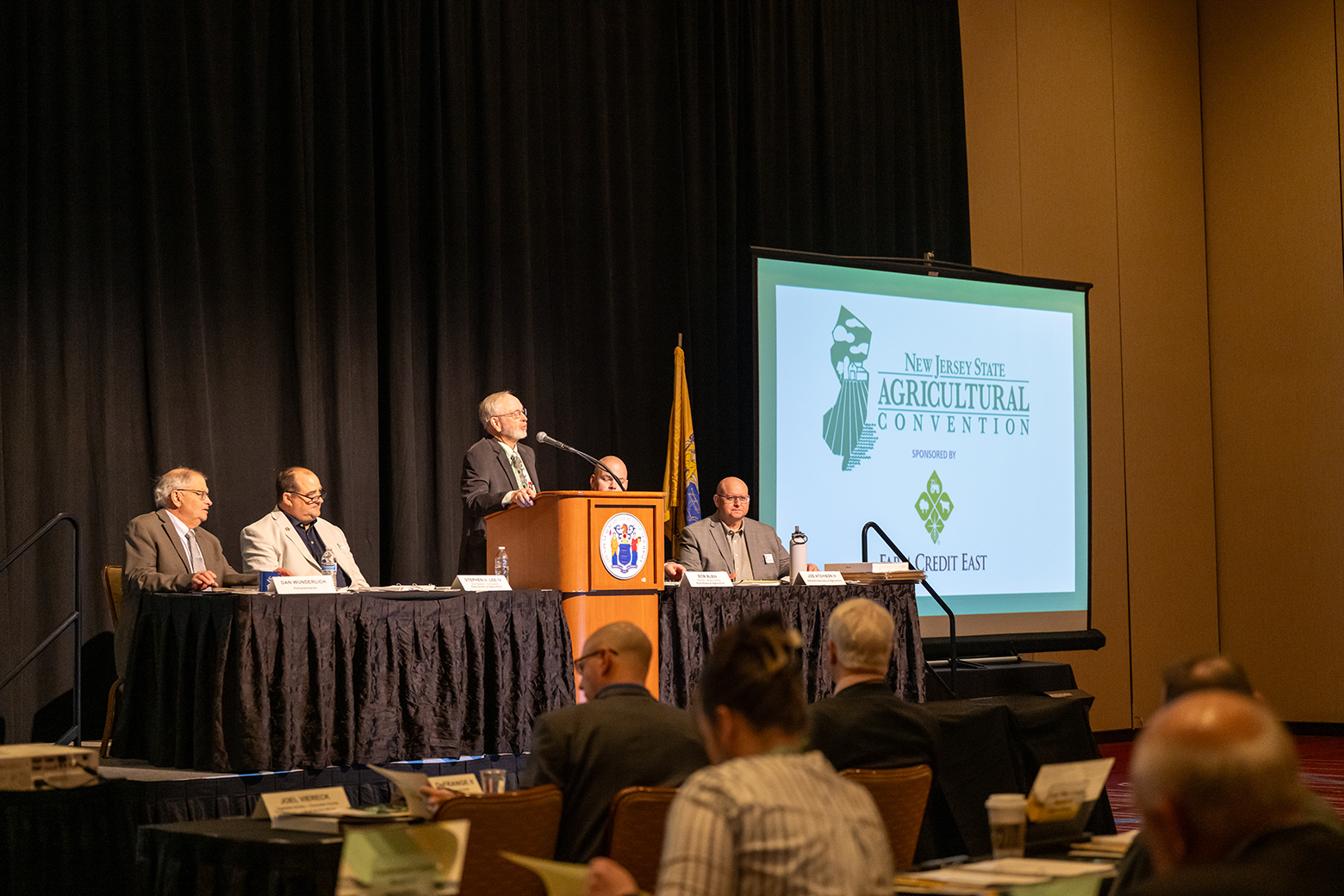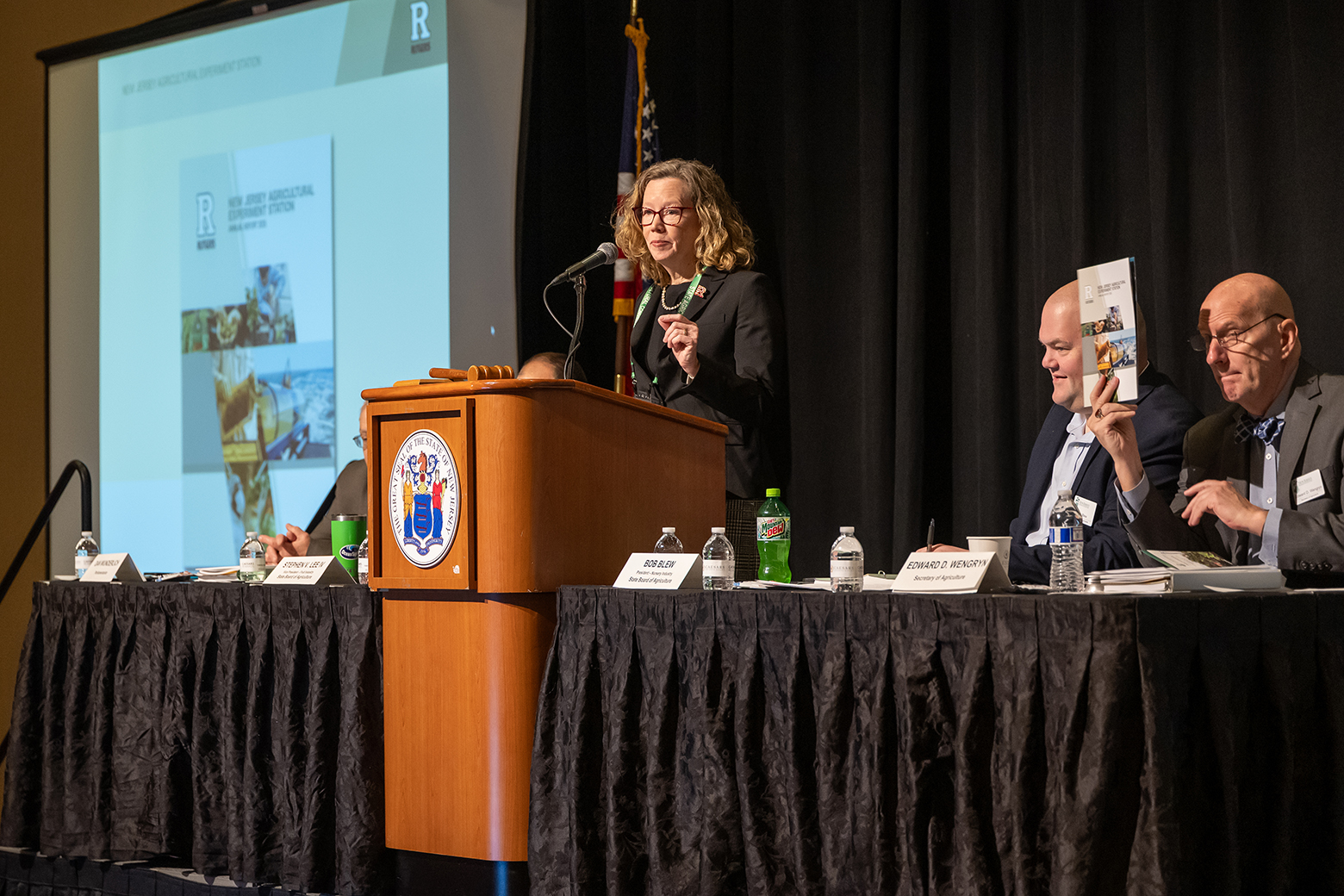
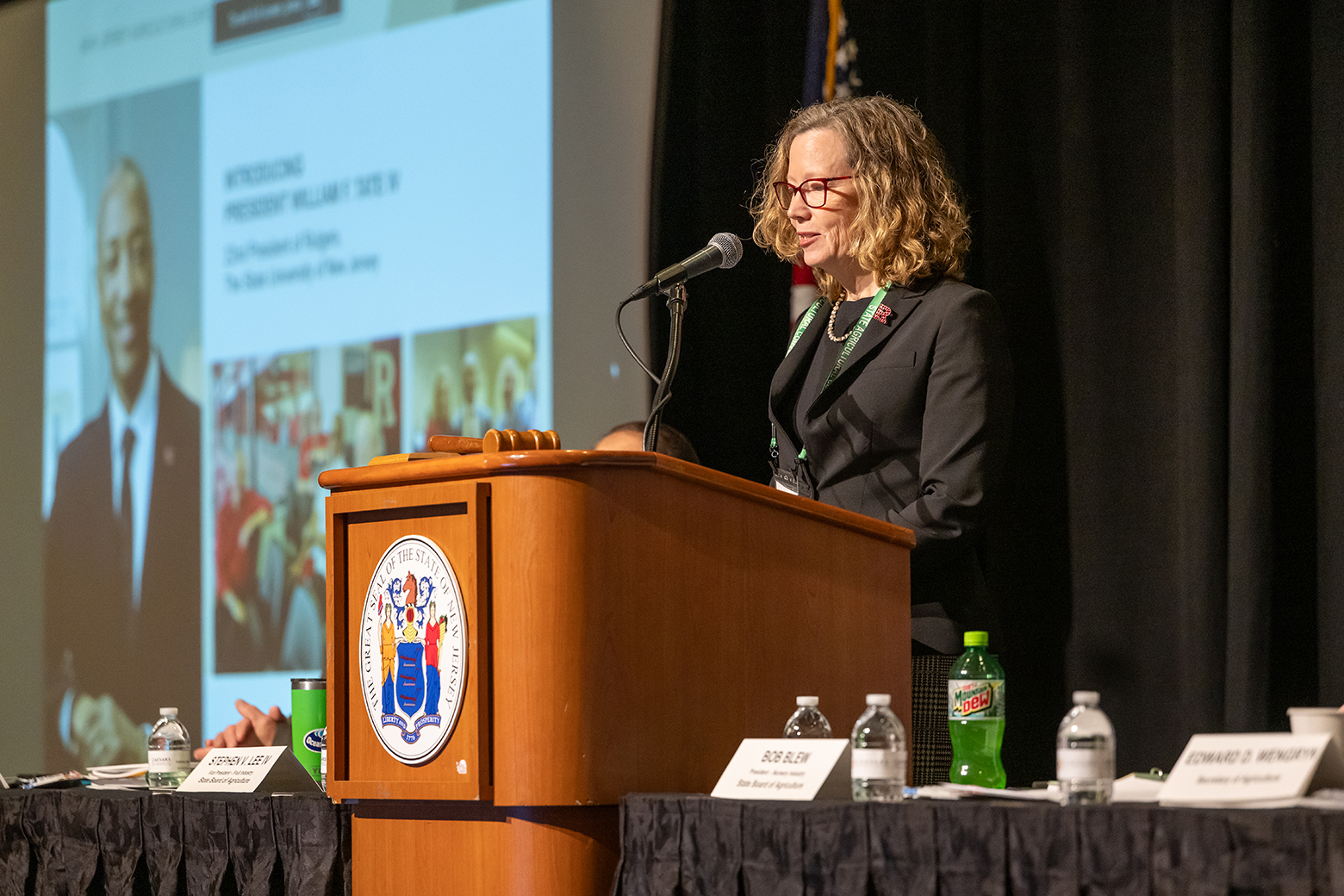
NJAES Executive Director Laura Lawson addresses delegates at the 2026 Northeast Agricultural Expo in Atlantic City.
Rutgers New Jersey Agricultural Experiment Station (NJAES) played a leading role in shaping the 2026 Northeast Agricultural Expo (formerly the New Jersey Agricultural Convention and Trade Show), held January 21–23 at Harrah’s Resort and Waterfront Conference Center in Atlantic City.
In remarks to the delegates, NJAES Executive Director Laura Lawson expressed appreciation to Secretary of Agriculture Ed Wengryn, Assemblywoman Andrea Katz, State Board of Agriculture President Bob Blew, Farm Bureau President Alan Carter, and the representatives of New Jersey’s agricultural community for the opportunity to once again address the convention. She conveyed greetings on behalf of Rutgers University President William F. Tate IV, Chancellor Francine Conway and Provost Jason Geary, noting Rutgers’ deep commitment to its land-grant mission and to serving the state’s agricultural community at the highest levels of university leadership.
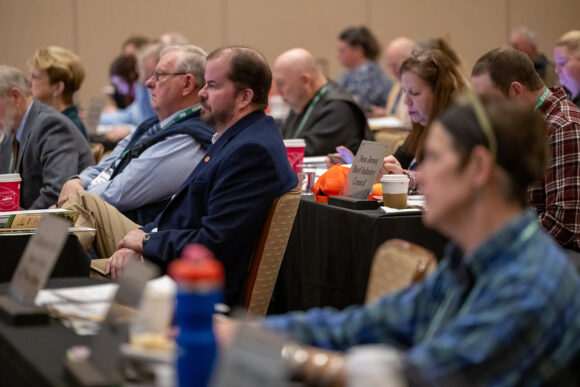
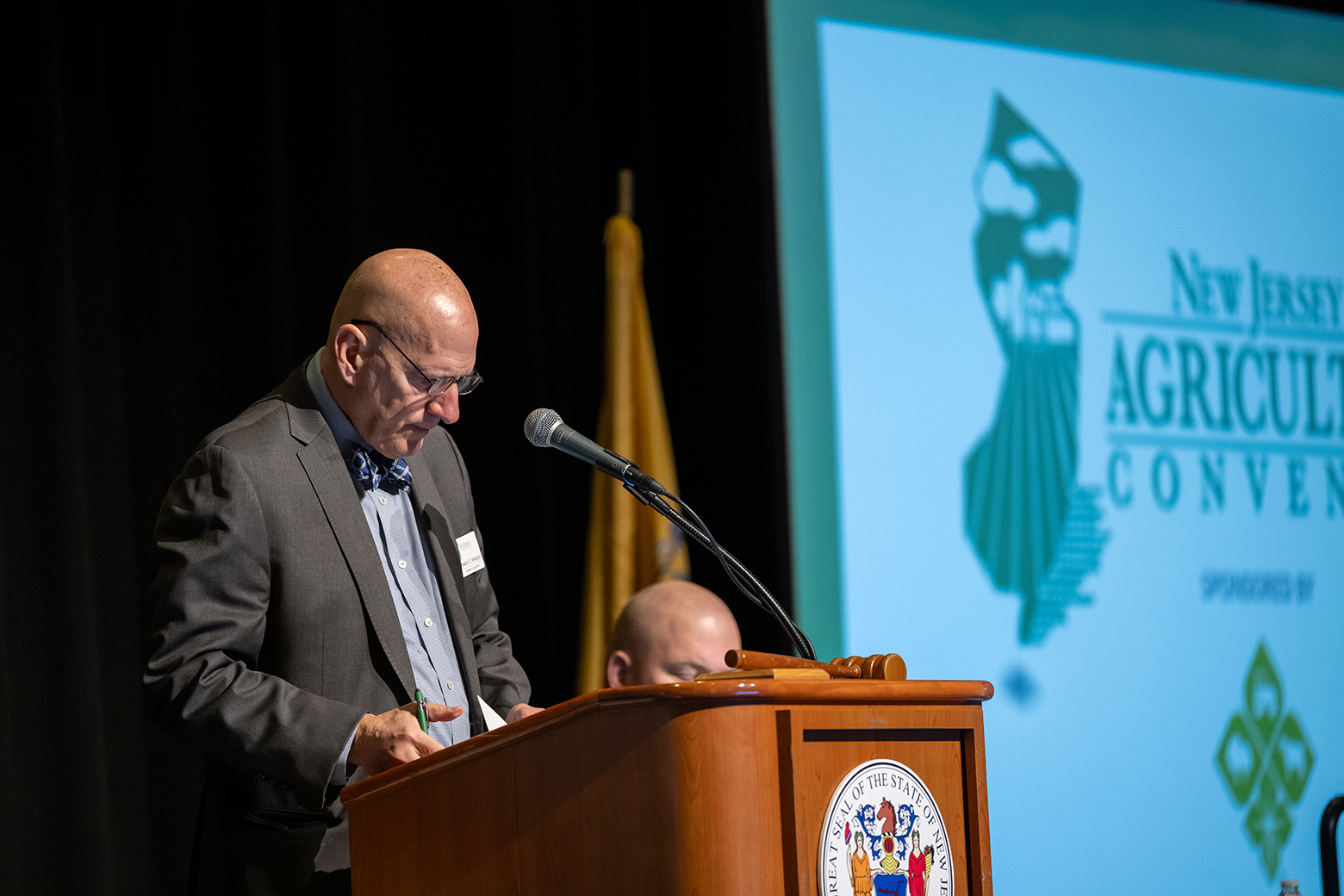
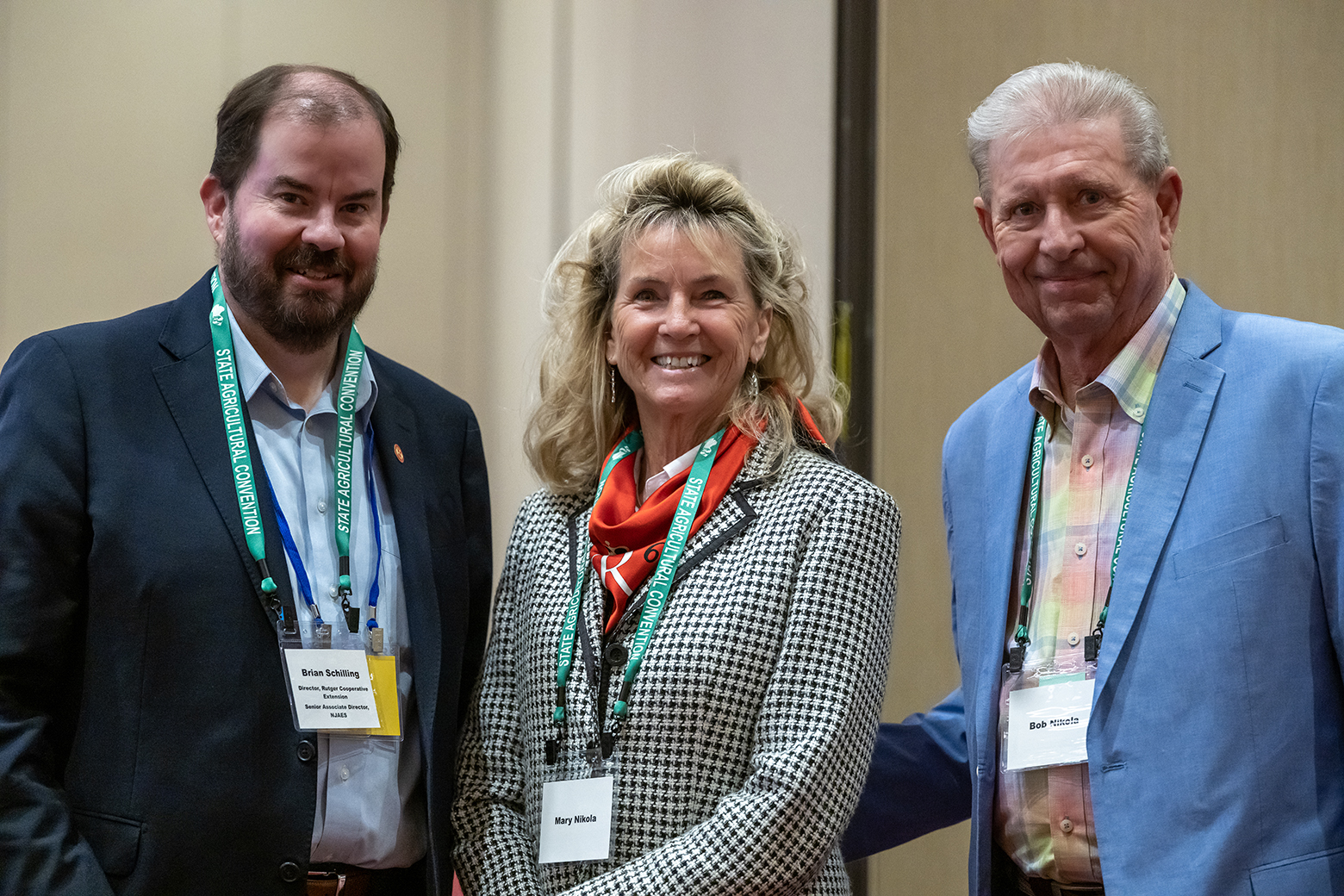
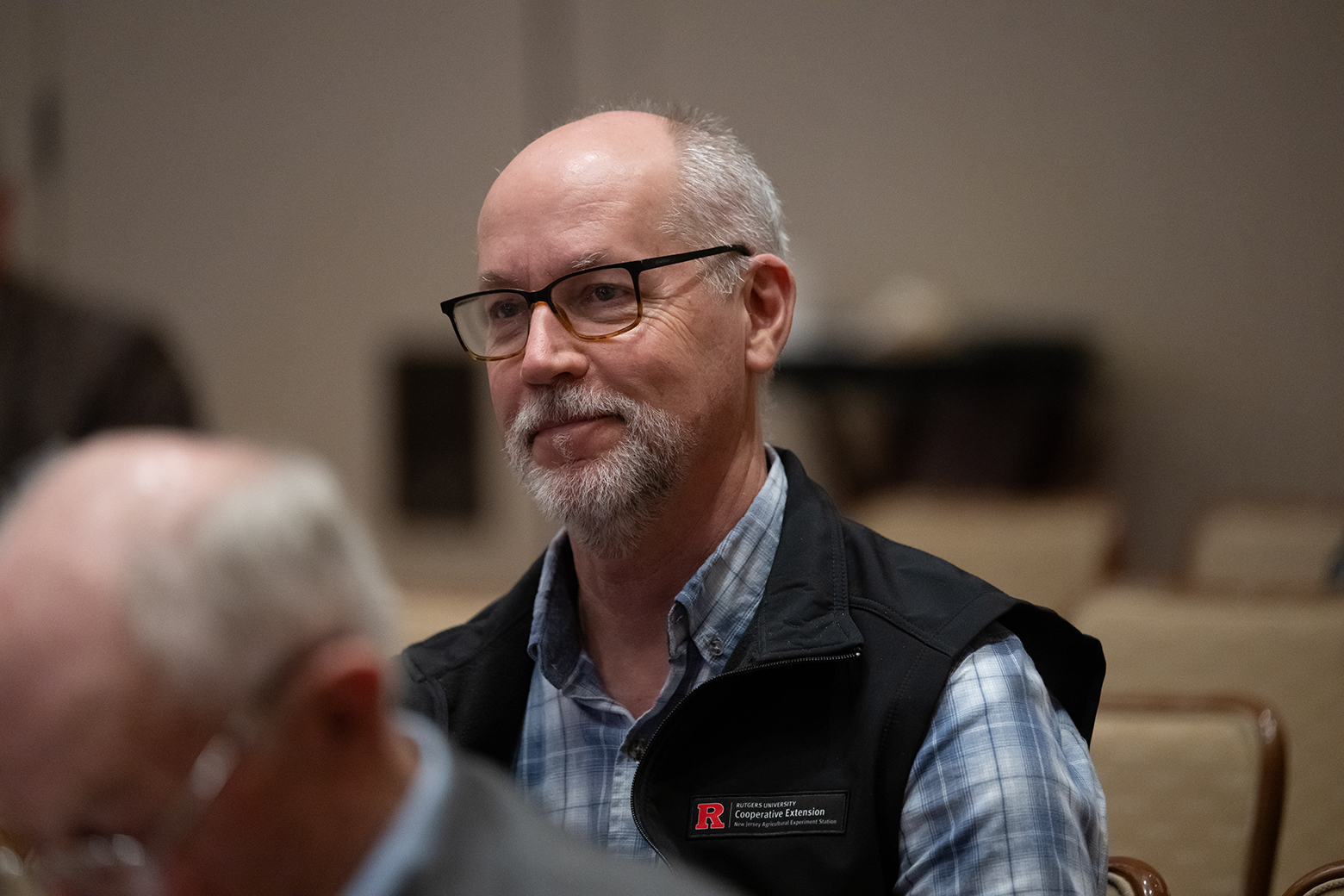
Director of Rutgers Cooperative extension Brian Shilling listens attentively during the 2026 Northeast Agricultural Expo.
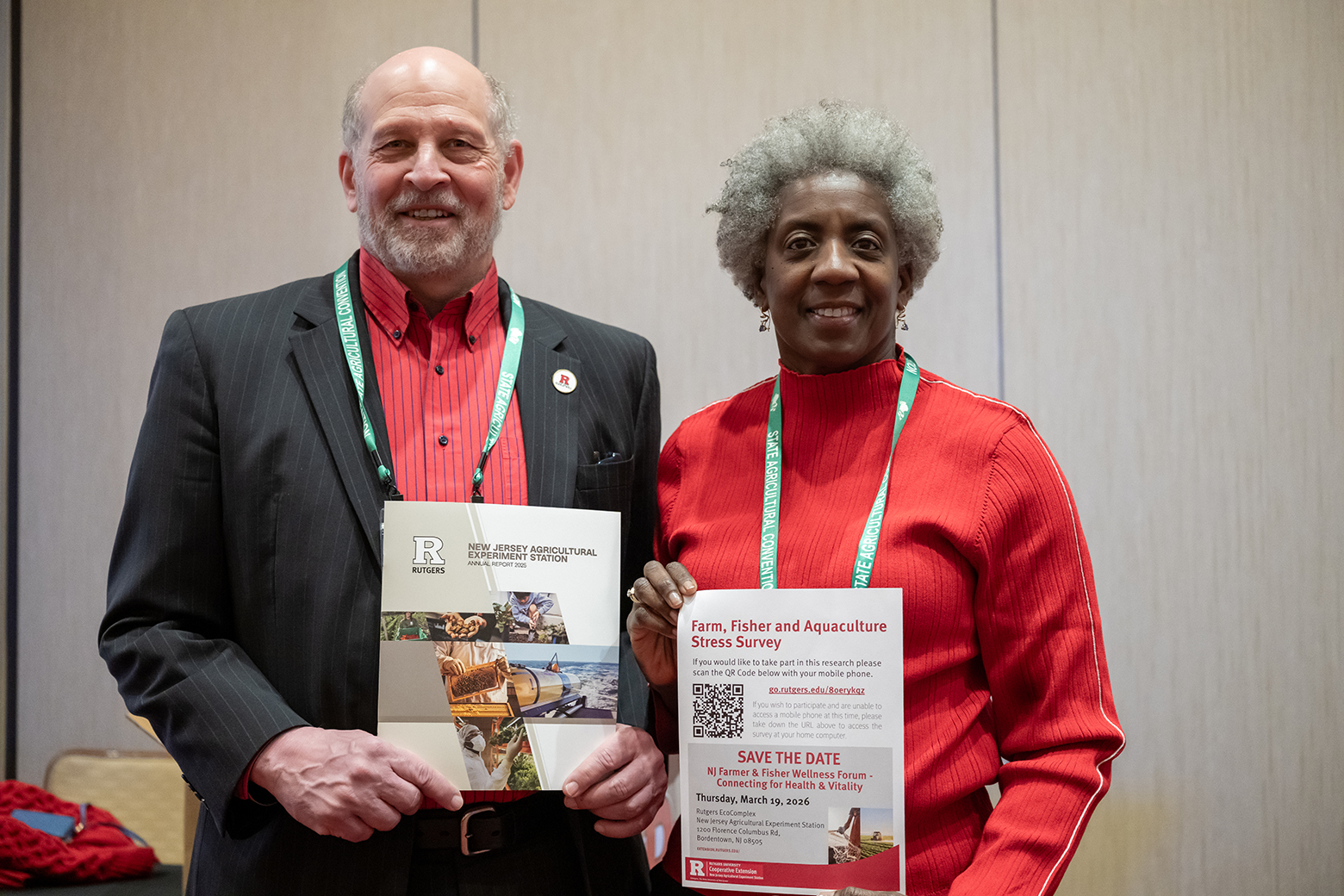
Lawson also highlighted the release of the 2025 NJAES Annual Report and reaffirmed the experiment station’s focus on four critical issue areas that build sustainable and resilient communities across New Jersey: advancing viable agriculture and aquaculture; ensuring healthy outcomes in food, nutrition, and health; promoting positive youth development; and protecting and sustaining natural resources. Together, she noted, these priorities demonstrate NJAES’s continued dedication to innovation, partnership and practical solutions that strengthen New Jersey agriculture and the communities it supports.
In partnership with the Vegetable Growers Association of New Jersey, NJAES’ Rutgers Cooperative Extension (RCE) helped deliver one of the region’s most comprehensive agricultural education programs—reinforcing the university’s impact on farm viability and the state’s agricultural economy.
RCE agricultural agents Michelle Infante-Casella (Gloucester County) and William Bamka (Burlington County) co-chaired the wide-ranging Rutgers educational program, coordinating 82 presenters across three days of workshops and concurrent sessions. The event drew a sold-out trade show floor and strong statewide participation from farmers, agricultural professionals, 4-H and FFA students, and industry partners.
Pre-convention workshops set the tone with hands-on, practical learning experiences. Sessions focused on On-Farm Food Safety, Pesticide Safety, Integrated Pest Management (IPM), Pest Diagnostics, and Farm Labor and Regulations—core areas where Rutgers research directly supports farm productivity, regulatory compliance, and environmental stewardship.
New for 2026, the IPM Workshop provided interactive training with microscopes, pheromone traps, and pest specimens, translating Rutgers research into real-world applications growers can implement immediately.
RCE hosted five concurrent morning sessions and five afternoon sessions on day one that covered a wide range of commodities and production systems. Topics included Technology for Field Crop Production, Vegetable Production, Tree Fruit and Small Fruit, Nursery Crops, Blueberries and Greenhouse Production. These sessions highlighted science-based practices that increase crop yields, improve quality, reduce input costs, and promote sustainable land management—key drivers of New Jersey’s multibillion-dollar agricultural sector.
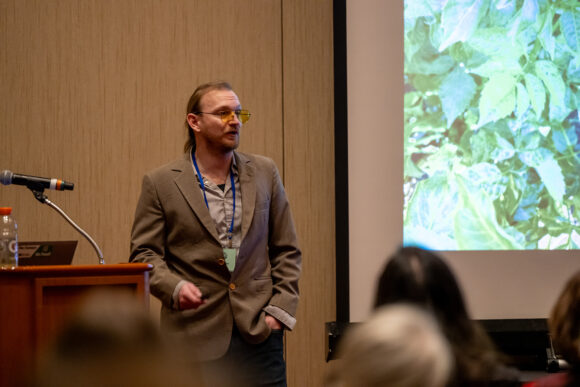
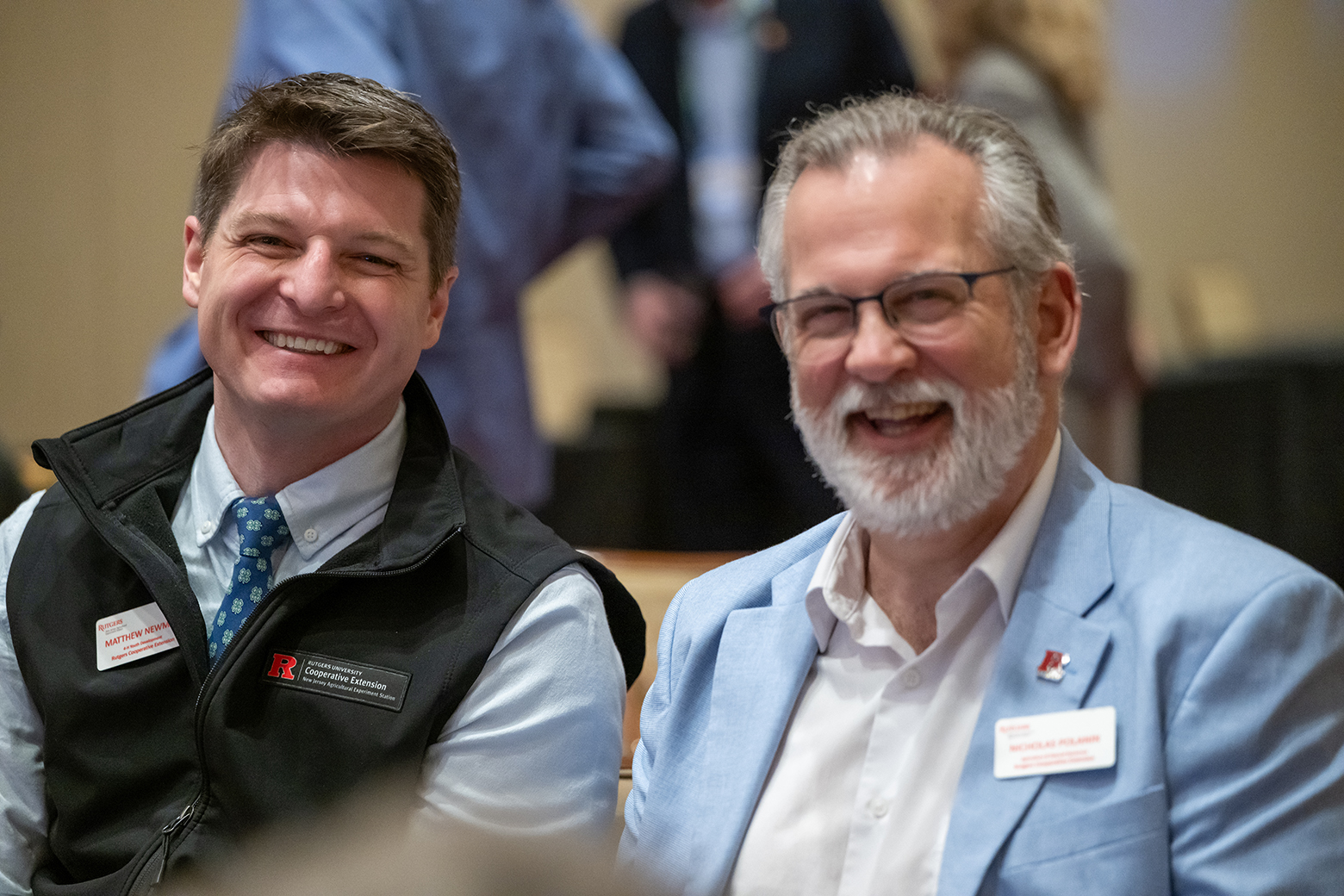
Timothy Waller, RCE agricultural agent and department head (Cumberland County) who works with nursery crops, conducts one of the multiple Rutgers educational programs delivered in partnership with the Vegetable Growers Association of New Jersey.
Day two highlighted by a keynote address from Temple Grandin, world-renowned animal scientist and professor at the University of Colorado. Her presentation drew farmers, educators, 4-H members and FFA students from across the region. Rutgers strategically aligned its Equine and Livestock sessions with Grandin’s appearance, further strengthening engagement with the animal agriculture community. Additional educational sessions led by Rutgers faculty and agents addressed Environmental Issues in Agriculture, Soil Health and Cover Cropping, Cut Flower Production, Agricultural Technology, Agricultural Marketing and Specialty Crops.
Beyond knowledge transfer, the expo delivered direct professional value. The RCE program provided NJDEP Pesticide Applicator Recertification Credits—offering more credits than in 2025—and reinforced critical safety and pest management practices. RCE personnel remain central to pesticide education and the state’s licensing process, helping ensure that New Jersey agriculture operates safely, sustainably, and in compliance with state regulations.
By translating university research into actionable guidance, Rutgers continues to strengthen key pillars of New Jersey’s agricultural economy, including farm profitability, environmental resilience, and workforce development.
With momentum growing and planning already underway for the 2027 Expo, Rutgers Cooperative Extension remains at the forefront of advancing innovation, collaboration, and economic vitality across the Garden State’s agricultural community.